
When planning a trip to Vietnam, one of the first things that comes to mind is the visa process. With various options available, it can be overwhelming to determine which visa type is best suited for your needs.
In this article, we will explore the 8 popular Vietnam visa types, helping you understand their features and guiding you in making the right choice for your journey. Whether you are a tourist, a student, or a business traveler, you will find the information you need to ensure a smooth entry into this vibrant country.
The 8 Vietnam visa types
There are several Vietnam visa types tailored to different purposes of visit. Here are eight notable types, along with their descriptions and validity.
| No. | Visa Type | Description | Validity |
| 1 | Tourist visa (DL) | Issued for leisure travel; allows exploration of Vietnam without business activities. | Up to 90 days |
| 2 | Business visa (DN) | For business-related activities, including meetings and contract negotiations. | Up to 12 months |
| 3 | Work visa (LD) | Granted to foreigners working in Vietnam; requires a job offer and work permit. | Up to 2 years |
| 4 | Investor visa (DT) | For foreigners investing in Vietnamese businesses, categorized based on investment amounts. | 1 to 5 years, depending on type |
| 5 | Student visa (DH) | For individuals attending educational programs in Vietnam, arrangements can be made after arrival. | Up to 12 months |
| 6 | Diplomatic visa(NG) | Issued to foreign diplomats and officials for official duties in Vietnam. | Up to 12 months |
| 7 | Transit visa (TT) | For travelers passing through Vietnam, it allows brief stays outside the airport. | Up to 5 days |
| 8 | Lawyer visa (LS) | Granted to foreign lawyers practicing in Vietnam; requires documentation of qualifications. | Up to 5 years |
1. Vietnam tourist visa
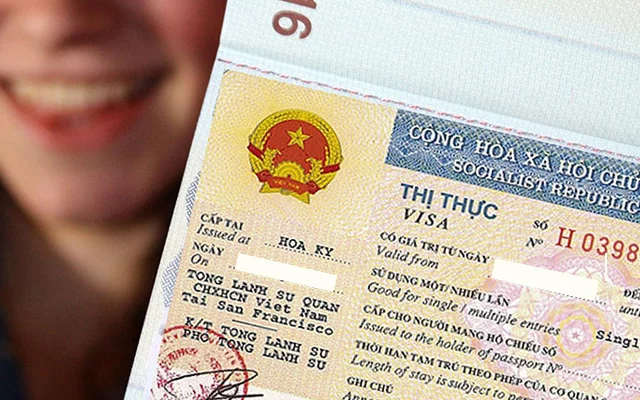
The Vietnam tourist visa is specifically intended for individuals visiting the country for leisure or tourism. This visa enables travelers to experience Vietnam’s rich cultural heritage, stunning natural scenery, and lively urban environments without engaging in any business activities. It is available in several subcategories based on duration and entry type, including:
- 30-day single entry: Allows one entry into Vietnam for a duration of 30 days.
- 30-day multiple entry: Permits multiple entries within 30 days.
- 90-day single entry: Grants a single entry for up to 90 days.
- 90-day multiple entry: Allows multiple entries during a 90-day timeframe.
The application process for a tourist visa is quite simple. Applicants need to have a passport that is valid for at least six months beyond their planned arrival date and must include at least two blank pages. Additionally, they must fill out an application form and submit a recent passport-sized photograph.
Travelers can acquire a tourist visa through various options, such as applying for an e-visa online or obtaining a visa on arrival (VOA) for those arriving by air. The e-visa application typically takes around three working days, which is more convenient for travelers to apply from their home country. For those opting for a VOA, it is necessary to present an approval letter along with two passport-sized photos and a valid passport upon arrival in Vietnam to receive the visa stamp.
Depending on the selected type, the tourist visa can be valid for up to 90 days, providing sufficient time for visitors to enjoy Vietnam’s diverse attractions fully. Extensions may be available if travelers wish to extend their stay beyond the initial period.
For more about tourist visa, kindly check: Vietnam tourist visa: Everything you need to know
2. Vietnam business visa
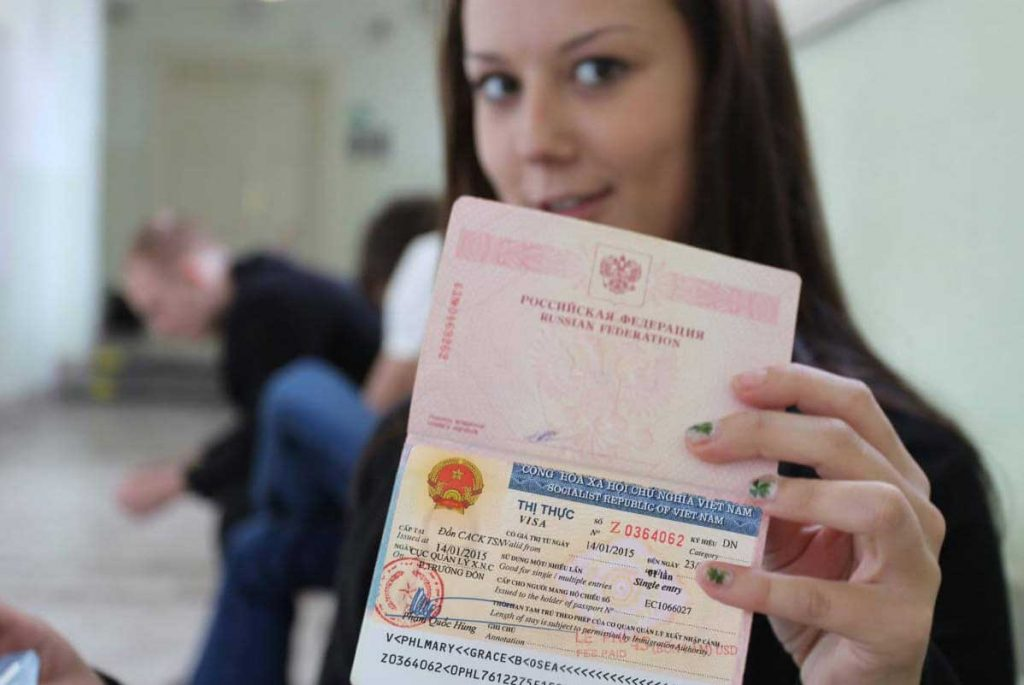
Among Vietnam visa types, the business visa is also a popular one. It is intended for foreigners visiting Vietnam for business-related activities such as meetings, conferences, or contract negotiations.
The business visa is divided into two categories: DN1, which is for those collaborating with Vietnamese companies, and DN2, which is for individuals offering services or establishing a commercial presence in Vietnam.
Like the tourist visa, it can be issued for different durations, including 30-day and 90-day options for both single and multiple entries. Applicants are required to submit an approval letter from a Vietnamese sponsor or company as part of the application process. It is important to note that this visa does not allow for long-term employment; a separate work visa is necessary for that purpose. Typically, the business visa is valid for up to 12 months.
For more, kindly check:
3. Vietnam work visa
4. Vietnam investor visa (DT)
Another type of Vietnam visa is the investor visa. It is only for foreign nationals looking to invest in businesses within Vietnam. It has four subcategories based on the amount of investment:
- DT1 (minimum investment of VND 100 billion)
- DT2 (VND 50 billion – VND 100 billion)
- DT3 (VND 3 billion – VND 50 billion)
- DT4 (less than VND 3 billion)
The validity of these visas ranges from one year to five years, depending on the investment amount and category. Investors must provide documentation proving their financial capability and business plan to qualify for this visa type. The investor visa allows holders to stay in Vietnam while managing their investments legally. This type of visa is crucial for those aiming to establish significant business operations in Vietnam.
5. Vietnam student visa (DH)
The student visa is designated for individuals enrolled in educational programs or internships in Vietnam. This visa typically allows stays of up to one year and can be extended based on the duration of the study program or internship. Applicants often enter Vietnam on a tourist visa and then switch to a student visa after enrollment in an educational institution.
To obtain this visa, students may need an acceptance letter from their educational institution and other standard application documents like a passport photo and a completed application form. This visa does not allow holders to work outside their educational commitments without obtaining additional permits. The student visa supports international students seeking educational opportunities in Vietnam.
6. Vietnam diplomatic visa (NG)
The diplomatic visa is issued to foreign diplomats and officials visiting Vietnam for official duties. This visa type is typically valid for up to 12 months and allows multiple entries into the country.
Applicants must provide an official letter from their government or relevant agency to apply for this visa. It facilitates diplomatic activities, including meetings and negotiations, without restrictions on the duration of stay within the validity period.
Holders of this visa are often exempt from certain fees associated with other visa types. It underscores Vietnam’s commitment to fostering international relations.
7. Vietnam transit visa (TT)
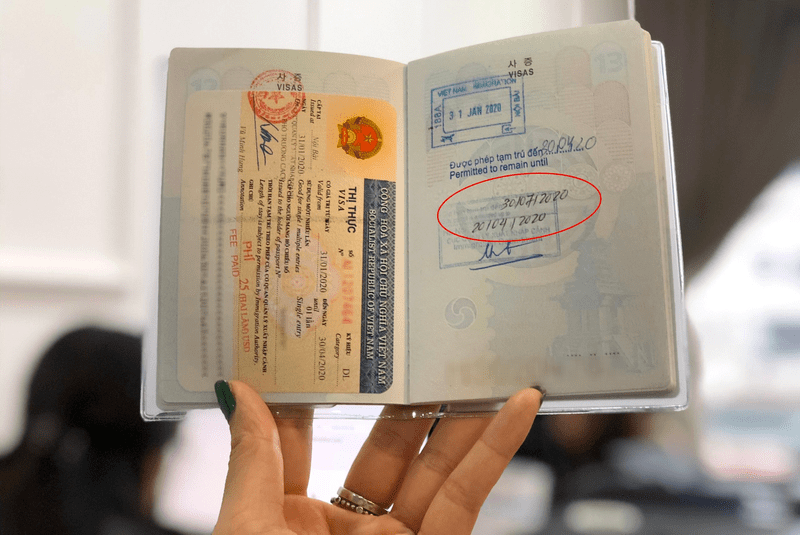
The transit visa is intended for travelers who are passing through Vietnam on their way to another destination. This visa allows individuals to leave the airport and explore the city during layovers, but requires an itinerary that confirms onward travel. The maximum validity for a transit visa is typically up to 5 days.
Plus, travelers must provide proof of their next flight and may need a visa for the destination country. This Vietnam visa type is essential for those wishing to take short tours while waiting for connecting flights. It is not necessary for passengers who remain in the airport transit area.
8. Vietnam lawyer visa (LS)
The lawyer visa is granted to foreign lawyers who wish to work in Vietnam, either independently or through a legal firm operating in the country. This visa is valid for up to five years, allowing foreign legal professionals to provide legal services within Vietnam’s jurisdiction.
Applicants must hold a valid law degree and be licensed in their home country, along with an invitation from a Vietnamese law firm or organization.
The application process includes verification of qualifications and adherence to local legal practice regulations. This visa facilitates international legal collaboration and practice within Vietnam.
FAQs
1. What are the different types of visa in Vietnam?
Vietnam offers several visa types categorized primarily by the purpose of the visit, including tourist visas (DL), business visas (DN1, DN2), student visas (DH), investor visas (DT1-DT4), working visas (LD1, LD2), and diplomatic visas (NG). Each visa type has specific entry requirements, durations, and conditions tailored to different travelers’ needs.
2. What is the longest visa I can get for Vietnam?
The longest visa you can obtain for Vietnam is the 5-year investor visa (DT1, DT2, DT3, DT4), which is issued based on varying levels of investment capital. Additionally, there is a 5-year visa exemption available for overseas Vietnamese and their foreign spouses and children, allowing them to visit Vietnam multiple times within that period, with each stay lasting up to 180 days.
3. What type of visa is best for visiting Vietnam?
The best Vietnam visa types largely depend on the purpose and duration of your stay. For tourists, the 30-day tourist visa (DL) is a popular choice, allowing for single or multiple entries, while the 90-day tourist visa offers a longer stay for those wanting to explore more extensively. If you plan to engage in business activities, a business visa (DN1 or DN2) would be more appropriate, as it accommodates various business-related purposes. For longer stays, especially for expatriates or investors, the 5-year investor visa (DT1-DT4) is ideal, provided you meet the investment requirements.
Final thoughts
As we have explored the various Vietnam visa types, it is clear that understanding your options is essential for a smooth travel experience. Choosing the right Vietnam visa type not only simplifies your entry into the country but also ensures compliance with local regulations. By assessing your travel purpose and duration, you can select the most suitable visa, paving the way for an enjoyable and hassle-free visit to Vietnam.
Plus, remember to keep updated with any changes in visa policies and requirements to make your travel planning even smoother. Share this article with your friends if you found it helpful!