
Have you ever found yourself wondering how to extend your stay in Vietnam without the hassle of paperwork? A Vietnam visa run could be the answer! This simple yet effective strategy allows travelers to briefly exit the country and return with a fresh visa, all while enjoying a little adventure along the way.
In this article, we’ll cover the essential details of planning your visa run, including destination options, documents, and helpful tips to ensure a hassle-free experience.
What is the Vietnam visa run?
A Vietnam visa run refers to the practice of leaving Vietnam temporarily to reset the visa status, allowing a foreigner to re-enter the country on a new visa. This is often done when a person’s visa is about to expire, or they are looking for an extended stay beyond the limitations of their current visa. A visa run often involves traveling to a nearby country, such as Cambodia, Laos, or Thailand, for a short trip, and then returning to Vietnam with a new visa.
This process is common among expats, tourists, and business travelers who want to extend their stay in Vietnam without applying for a visa extension within the country. It’s a quick and often cost-effective way to extend one’s time in Vietnam without having to go through the complicated visa renewal process within the country.
Types of Vietnam visa run
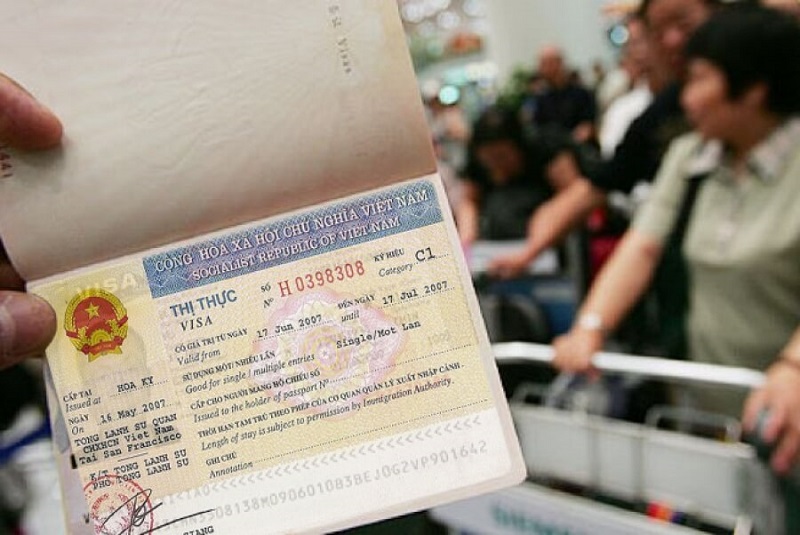
Foreigners who wish to stay in Vietnam have the option to apply for two distinct types of visas, each designed to accommodate different travel purposes and durations of stay.
Visa run by air
This involves flying to a nearby country, such as Thailand or Cambodia, and then re-entering Vietnam. It is often used by travellers who want to quickly re-establish their visa status without having to cross a land border. However, it can be more expensive than overland routes.
There are 8 international airports that travelers can use for a Vietnam visa run:
- Noi Bai International Airport (Hanoi)
- Tan Son Nhat International Airport (Ho Chi Minh City)
- Cat Bi International Airport (Hai Phong)
- Da Nang International Airport (Da Nang)
- Cam Ranh International Airport (Khanh Hoa)
- Lien Khuong International Airport (Da Lat – Lam Dong)
- Phu Quoc International Airport (Phu Quoc)
- Can Tho International Airport (Can Tho)
Visa run by land
A more budget-friendly option, this type involves traveling by bus, car, or train to a land border crossing, such as those with Cambodia or Laos. After crossing into a neighboring country, travelers return to Vietnam with a new visa. This option is popular for its cost-effectiveness and accessibility for many foreign travelers in Vietnam.
There are 16 land border gates in Vietnam suitable for visa runs by road:
- Bờ Y – Kon Tum (bordering Laos)
- Cha Lo – Quang Binh (bordering Laos)
- Cầu Treo – Ha Tinh (bordering Laos)
- Hữu Nghị – Lang Son (bordering China)
- Hà Tiên – Kiên Giang (bordering Cambodia)
- Lao Bảo – Quảng Trị (bordering Laos)
- Lào Cai – Lào Cai (bordering China)
- La Lay – Quảng Trị (bordering Laos)
- Mộc Bài – Tây Ninh (bordering Cambodia)
- Móng Cái – Quảng Ninh (bordering China)
- Nậm Cắn – Nghệ An (bordering Laos)
- Na Mèo – Thanh Hóa (bordering Laos)
- Sông Tiền – An Giang (bordering Cambodia)
- Tịnh Biên – An Giang (bordering Cambodia)
- Tây Trang – Dien Bien (bordering Laos)
- Xa Mát – Tây Ninh (bordering Cambodia)
How to apply for a Vietnam visa run
Getting a Vietnam visa run involves a few key steps depending on the type of visa run you plan to do. Here’s a general guide for both air and land visa runs:
Step 1: Prepare your documents
To apply for a visa through a visa run, you need to prepare the following documents for the approval process:
- Original passport: Must have at least 2 blank pages for stamps and be valid for at least 6 months after your re-entry date.
- Visa exemption document: This can be a 5-year visa exemption certificate, an E-Visa, or a visa approval letter (original if traveling by land, printed if traveling by air).
- Travel ticket: An air or bus ticket for your journey.
- Entry documents for the Third Country: Ensure you have the necessary documents to enter the country you are visiting.
- Stamping fee: Be prepared to pay any applicable fees.
- Passport photos: Two identical 4×6 cm photos taken within the last 6 months. Make sure your face is visible (no hats or glasses) if you are traveling by road.
- Visa application form: Required if you are doing a visa run by road.
Step 2: Exit Vietnam
Complete the exit procedures by obtaining your exit stamp and then travel to the third country by plane, bus, or train.
Step 3: Enter the third country
Present your required documents to complete the immigration process upon arrival in the third country.
Step 4: Exit the third country
You can choose to return to Vietnam immediately after exiting the third country or stay for a few hours or days, depending on your plans. Make sure to get your exit stamp during this process to facilitate re-entry into Vietnam.
Step 5: Re-enter Vietnam and complete the visa run
Upon returning to Vietnam, present the necessary documents, including your original passport, visa application form, two passport-sized photos, and your visa approval letter or e-visa. Pay the stamping fee and get your new visa stamped at the airport or land border gate.
At this point, your Vietnam visa run is complete, and travelers can proceed to their accommodation and continue their legal stay in Vietnam.
FAQs
1. Is a visa run legal in Vietnam?
Yes, visa runs are legal in Vietnam, though there are some important considerations. Be sure to research the specific border crossing and relevant documentation needed before attempting a visa run to ensure everything is handled correctly and legally. Ensure you comply with Vietnamese immigration regulations, as frequent visa runs may raise concerns with authorities and affect future visa applications or entries.
2. Who is eligible for a Vietnam visa run?
Visa runs are available for foreigners in the following situations:
- Tourists entering Vietnam under the visa exemption program
- Tourists entering Vietnam with a 5-year visa exemption certificate
- Tourists entering Vietnam on a 30-day E-Visa
- Foreigners entering Vietnam for work on a Business Visa.
3. How many times can you do a visa run?
There is no official limit on how many times you can do a visa run in Vietnam. However, frequent visa runs can raise suspicion with immigration authorities, especially if done repeatedly within a short period. While occasional visa runs are usually fine, doing them often may lead to scrutiny or refusal of entry.
Final thoughts
To wrap up, a Vietnam visa run can be a practical and efficient solution for those needing to extend their stay or maintain legal status in Vietnam. However, it’s important to plan and stay informed about the latest visa regulations to avoid complications.
If you’re considering a Vietnam visa run, make sure to consult reliable sources, book your trip early, and ensure all required documents are in order. Ready to take your Vietnam journey to the next level? Start planning your visa run today and keep your adventure going!