
Traveling to Vietnam is an exciting prospect for many people, but understanding the visa requirements can be overwhelming. A Vietnam single-entry visa to Vietnam is a popular option for those who want to enter the country with ease.
This type of visa allows travelers to visit Vietnam for a limited period of time without the hassle of re-entering the country. By understanding the requirements and application process, travelers can begin their Vietnam adventure with confidence and ease.
Vietnam single-entry visa: An overview
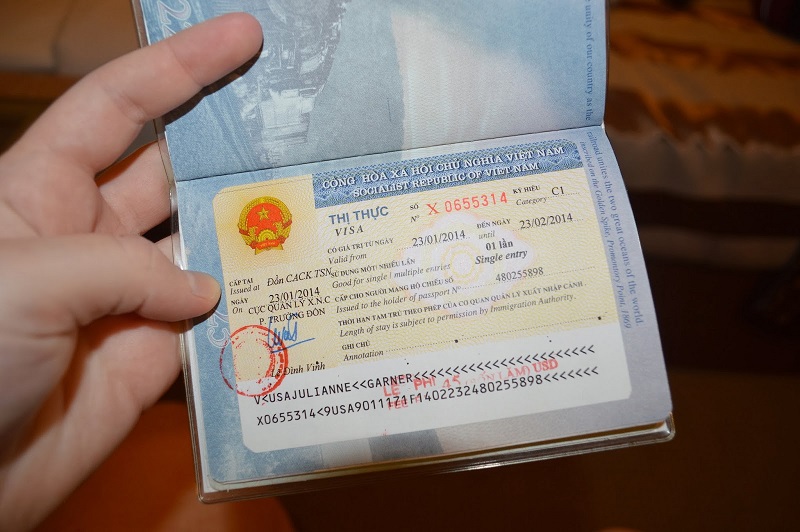
A single-entry visa is a type of visa that allows travelers to enter the host country only once during a designated timeframe. After the individual leaves the country, the visa becomes invalid, meaning they cannot re-enter without applying for a new visa. The validity of the visa can vary, usually ranging from 30 days to 90 days, depending on the type of visa issued.
Types of Vietnam single-entry visas
Vietnam offers several types of single-entry visas, each catering to different travel needs:
- Tourist visa: Designed for travelers visiting Vietnam for leisure, sightseeing, or visiting family and friends.
- Business visa: Intended for individuals traveling for business meetings, conferences, or other professional activities.
- E-visa: A digital visa was introduced to simplify the application process. As of August 15, 2023, citizens of all countries are eligible to apply for a Vietnam e-visa, which can be issued for single or multiple entries and is valid for up to 90 days.
Travelers can apply online through the official Vietnamese Immigration Department website, Embassy, or Consulate Application and Visa on Arrival. Our website, Urgent Vietnam Visa, is also a great place to apply for a single-entry Vietnam visa.
Also, single-entry visas are valid for a specific period, so travelers should make sure their visa validity aligns with their travel plans.
Single-entry visa vs multiple-entry: What’s the difference?
When planning international travel, understanding the distinctions between single-entry and multiple-entry visas is crucial. Below is a comprehensive comparison to assist in making informed decisions.
Entry limitations
- Single-Entry visa: This visa permits entry into the destination country only once during its validity period. Once you exit, re-entry requires obtaining a new visa.
- Multiple-Entry visa: Allows multiple entries into the destination country within the visa’s validity period. This is advantageous for travelers who plan to leave and re-enter the country multiple times.

Duration of stay
- Single-entry visa: The validity period is usually shorter, usually from a few months to 90 days. The length of stay for each entry is specifically regulated and cannot be extended.
- Multiple-entry visa: The validity period can be longer, from 3 months to 5 years, depending on the regulations of each country. The length of stay for each entry is also specifically regulated and can be extended in some cases.
Flexibility
- Single-entry visa: Offers limited flexibility, suitable for travelers with a fixed itinerary who do not anticipate re-entering the country.
- Multiple-entry visa: Provides greater flexibility, accommodating changes in travel plans and allowing for spontaneous trips without the need for additional visa applications.
Cost-effectiveness
- Single-entry visa: Generally less expensive due to its limited validity and usage.
- Multiple-entry visa: While the initial cost may be higher, it can be more cost-effective for frequent travelers, as it eliminates the need for multiple visa applications and associated fees.
How to get a Vietnam single-entry visa
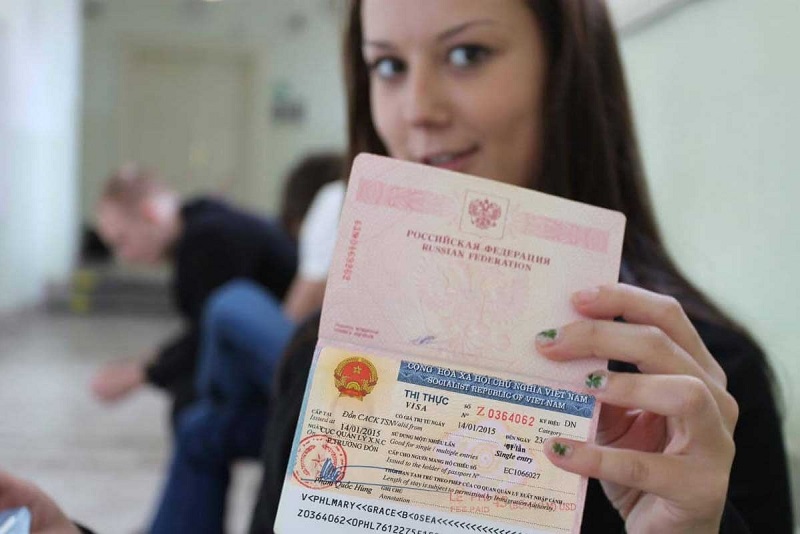
As mentioned above, there are three methods for getting a single-entry Vietnam visa, each tailored to your nationality and specific travel needs. Below is a comprehensive guide to assist you through the process.
1. Determine your eligibility for an e-visa
Vietnam offers an electronic visa (e-Visa) system that allows citizens from all countries to apply online. This e-visa is valid for up to 90 days and permits single or multiple entries.
The application fee is about $25 for a single-entry visa. E-visas can be applied for through the official Vietnamese Immigration Department portal.
2. Apply through the Vietnamese embassy or consulate
If you choose not to use the e-visa system, you can still apply for a visa through the Vietnamese Embassy or Consulate in your country. This traditional method allows you to obtain the necessary visa by applying in person or by post, ensuring you have the right documents for your trip to Vietnam.
3. Apply for a visa on arrival
For travelers arriving in Vietnam by air, the country provides a convenient Visa on Arrival (VOA) option. To utilize this service, you must first obtain an approval letter from a registered Vietnamese travel agency prior to your journey.
Once you arrive at one of the designated international airports in Vietnam, you can collect your visa upon presentation of this letter. It’s important to note that this VOA option is not available for those entering the country by land or sea, so planning ahead is essential.
By following these methods and considerations, you can successfully get a single-entry visa for Vietnam tailored to your travel needs.
Also, you can read our article “How to apply for a Vietnam visa” for more details.
FAQs
1. What are the fees for a Vietnam single-entry visa?
The cost of a single-entry e-visa for Vietnam is $25. Please note that this fee is non-refundable. If your application is denied or if there are any inaccuracies in your visa letter due to incorrect information you provided in the application form, you will not receive a refund.
2. How long does it take to get a Vietnam single-entry visa?
The processing time for a Vietnam single-entry visa can take about 5 working days but may extend to a maximum of 7-10 days depending on various factors. To ensure a smooth travel experience, it is highly recommended to apply for your visa well in advance to accommodate any potential delays that may arise.
Final thoughts
In closing, the Vietnam single-entry visa offers a practical solution for those looking to explore the country. With options ranging from e-visas to traditional embassy applications, the process is designed to be accessible and efficient. By taking the time to research and apply early, visitors can focus on enjoying their time in Vietnam without unnecessary stress.