
Are you planning a visit to Vietnam and unsure about which visa option to choose? With so many travelers opting for either the Vietnam e-visa or visa on arrival, it’s essential to understand the differences between these two popular choices. Each option has its own unique processes and requirements that can impact your travel experience.
In this article, we’ll delve into a detailed comparison of the Vietnam e-visa vs Vietnam visa on arrival, helping you identify the most convenient and suitable way to enter Vietnam based on your travel preferences.
Vietnam e-visa vs Vietnam visa on arrival: The difference
When planning a trip to Vietnam, travelers often face the decision between applying for an e-visa or obtaining a visa on arrival (VOA). One of the main differences between an e-visa and a visa on arrival is the processing time. An e-visa can take about 7 to 10 working days to process. In contrast, a visa on arrival is usually processed much faster, usually within 24 to 48 hours.
Here’s a more detailed comparison of the two visa types to help you choose the best option for your trip.
Issuing authority
Both the visa on arrival and the eVisa are issued by the Vietnam Immigration Department. This guarantees that no matter which option you select, you are interacting with the official authority responsible for visa issuance.
Eligible applicants
- Visa on Arrival: This option is available to citizens from all countries and territories around the globe, offering a wider range of eligibility.
- E-Visa: This visa is specifically designed for travelers entering Vietnam by air.
Duration and entry types
- Visa on Arrival: This option allows for single or multiple entries for up to 90 days, depending on the purpose of your visit.
- E-Visa: Tourists can get a visa for up to 30 days with single or multiple entries, while business travelers can apply for a visa valid for up to 90 days with single or multiple entries.
Visa fees
- Visa on Arrival: The fees vary based on the type of visa you apply for. In the event of a refused application, these fees are refundable. The total cost includes a service fee paid online for the visa approval letter and a stamping fee paid upon arrival.
- E-Visa: The fees depend on your application method. If you apply directly through the official Immigration Website, the cost is $25 for a single-entry visa and $50 for a multiple-entry visa. Alternatively, if you opt to use a service like Urgent Vietnam Visa, fees start at a varying amount based on your nationality, urgency, and visa type.
Entry gates
- Visa on Arrival: With this visa, you can enter Vietnam through eight international airports in Hanoi, Hai Phong, Da Nang, Khanh Hoa, Da Lat, HCMC, Can Tho, and Phu Quoc.
- E-visa: The e-visa offers greater flexibility, allowing entry through 42 different ports, including air, land, and sea entry points.
How to apply
- Visa on Arrival: You apply online for an approval letter via a third-party agency, paying the service fee. After receiving the approval letter, you will need to present it at your designated airport upon arrival in Vietnam.
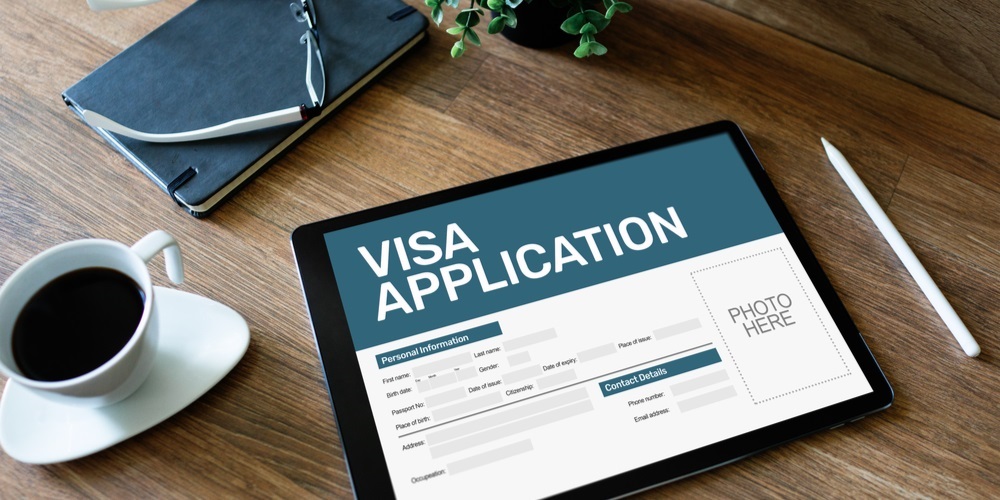
- E-visa: The e-visa application is completed entirely online. Travelers visit the official Vietnamese immigration website or use authorized third-party services to apply. You need to fill out a form with your personal details and upload a passport-sized photo and a scanned copy of your passport.
Vietnam e-visa vs Vietnam visa on arrival: Which one to choose?
Both the Vietnam visa on arrival and the Vietnam e-visa are official visas issued by the Vietnam Immigration Department, so you can feel confident in their legitimacy. The right choice depends on your travel needs.
If you prefer a smooth and easy experience, the e-visa is a great choice. You can apply online before your trip, which means you won’t have to wait at the airport for your visa. This is especially helpful if you’re entering Vietnam by land, as it makes the process quicker and more convenient.
On the other hand, if you’re arriving by air, need quicker processing, or are traveling on short notice, choose the Visa on Arrival. Just be prepared to handle the approval letter beforehand and pick up your visa at the airport.
Final thoughts
To sum up, whether you choose the Vietnam e-visa or the visa on arrival, both options have made it more convenient than ever to visit this stunning country. By taking the time to understand the benefits and potential drawbacks of each visa type, travelers can choose the one that best fits their needs, whether it’s a quick and easy online process or a more flexible, last-minute option.
So, whether you’re planning a relaxing vacation, an adventure, or a cultural journey, don’t wait any longer; take the first step by applying for your visa today and get ready for an unforgettable experience!