
To visit Vietnam, you may need an e-visa, a visa on arrival, or a traditional stamped visa, depending on your nationality and travel plans. Each option has different requirements, but typically includes application forms, passport validity, and supporting documents.
In this article, we will provide a detailed checklist to guide you through the requirements for a Vietnam visa. Let’s read on for details of what you need for a Vietnam visa!
Overview of the Vietnam visa policy
Vietnam visa regulations have undergone significant changes recently, particularly with the introduction of a new electronic visa (e-visa) system and adjustments to visa exemptions. These updates aim to facilitate travel and enhance tourism in the country.
E-visa requirements
Vietnam now provides an e-visa option that is valid for 90 days and allows for multiple entries, available to citizens of all countries and territories. This significant improvement replaces the earlier 30-day limit, offering travelers much more flexibility when planning extended visits or re-entering the country.
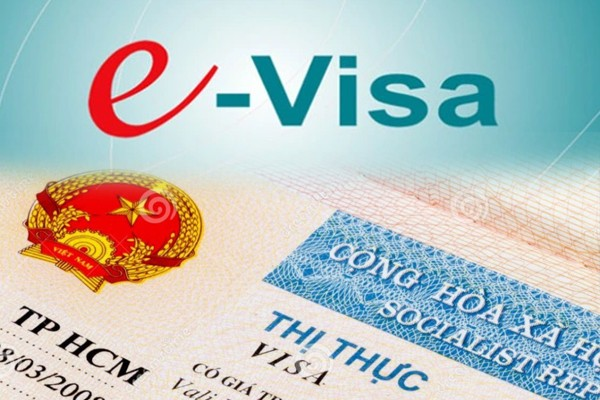
The process of obtaining this e-visa has been streamlined and can be completed entirely online, ensuring greater accessibility and convenience for international travelers. This change is expected to enhance Vietnam’s appeal as a travel destination by accommodating diverse itineraries and encouraging longer stays.
To apply for an e-visa, applicants need:
- A valid passport with at least two blank pages.
- A completed online application form.
- Payment of the processing fee (approximately $25).
- The e-visa can be used at 13 international airports, 16 land border gates, and 13 sea border gates across Vietnam.
Visa exemptions
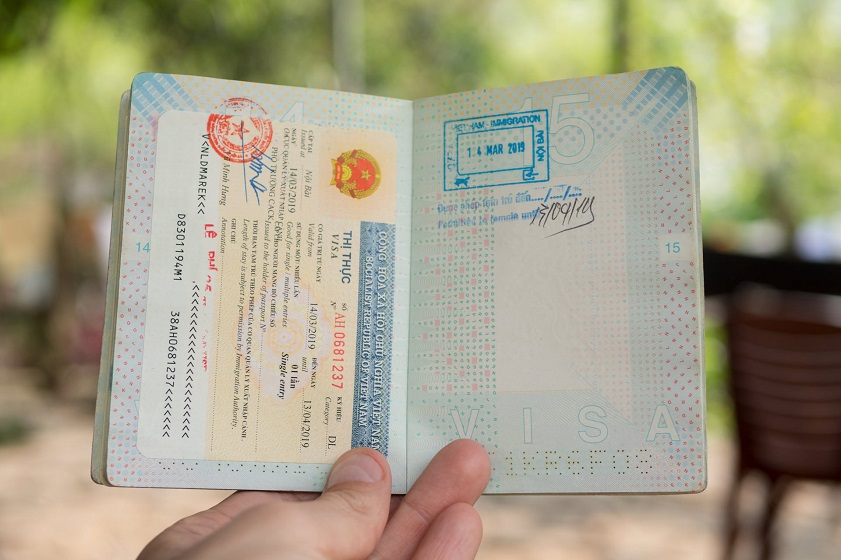
Vietnam has a visa exemption policy that allows citizens from certain countries to enter without a visa. As of 2024, 25 countries are included in this exemption list, which includes nations like Germany, France, Italy, Spain, the United Kingdom, Japan, and South Korea. Citizens from these countries can stay in Vietnam for up to 45 days without a visa. The following countries are exempt from visa requirements:
- Brunei
- Myanmar
- Belarus
- Denmark
- Finland
- France
- Germany
- Italy
- Japan
- Norway
- Russia
- South Korea
- Spain
- Sweden
- The UK
- The Philippines
- Cambodia
- Indonesia
- Kyrgyzstan
- Laos
- Malaysia
- Singapore
- Thailand
- Chile
- Panama
Additionally, there is a special exemption for Phu Quoc Island, where tourists can stay for up to 30 days without a visa if they enter through designated international border gates.
Check out the full list of Vietnam visa-exempt countries now!
Essential documents for travelers
What do you need for a Vietnam visa? Which documents to prepare? Below is a checklist and detailed explanations of visa requirements for visiting Vietnam.
Valid passport requirements
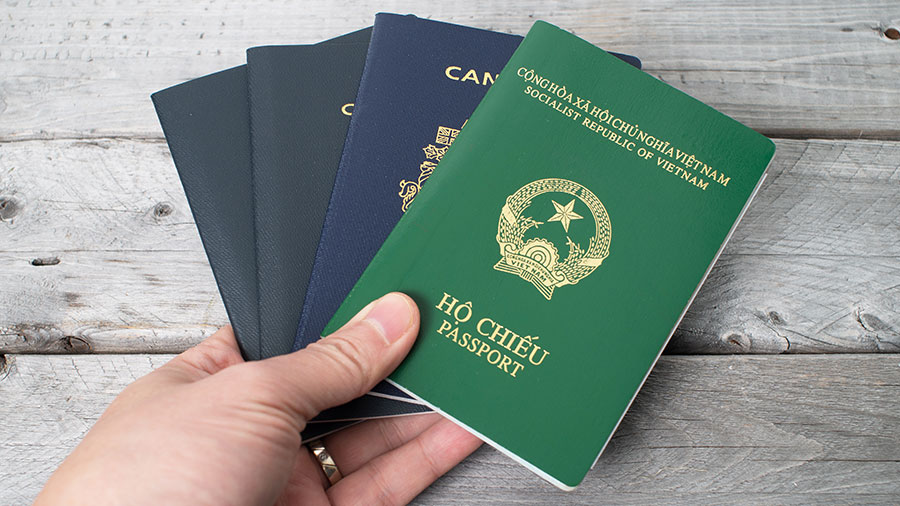
A valid passport is the cornerstone of any visa application. Here are the specific requirements:
- Validity period: The passport must be valid for at least six months beyond the date of entry into Vietnam. This requirement ensures that travelers have sufficient time before their passport expires, which is crucial for entry and any potential extensions or legal matters during their stay.
- Blank pages: The passport should contain at least two blank pages. This space is necessary for visa stamps and any other official entries made by immigration authorities upon arrival.
- Condition of the passport: The passport must be in good condition, with no tears, stains, or damage that could hinder its readability. A damaged passport may lead to entry denial.
- Photocopy of passport: Alongside the original passport, applicants should provide a clear photocopy of the passport’s information page. This copy is often required for processing and record-keeping by immigration authorities.
Proof of legal residence
Travelers must also provide proof of legal residence, verifying their status in their home country or current country of residence. Here’s what is typically required according to Vietnam visa rules:
- Residence permit or visa: If the traveler is not applying from their home country, they must provide a copy of their valid residence permit or visa from the country where they currently reside. This document must be valid and indicate that the traveler has legal status in that country.
- Temporary residence registration: For those residing in Vietnam temporarily (such as expatriates), a temporary residence registration certificate issued by local authorities may be required.
- Proof of employment or study: If applicable, travelers must submit documentation such as an employment contract or a student enrollment letter from an educational institution in Vietnam or their current country.
- Additional documentation for family members: If family members accompany the traveler, additional proof of relationship (such as marriage certificates or birth certificates) may be required to establish legal ties and ensure proper visa issuance for dependents.
Checklist summary
Here is a summarized checklist of essential visa requirements to enter Vietnam:
- Valid passport
- Must be valid for at least six months beyond the entry date
- At least two blank pages
- In good condition (no damage)
- Photocopy of information page
- Proof of legal residence
- Valid residence permit or visa (if applicable)
- Temporary residence registration certificate (if applicable)
- Proof of employment or study (if applicable)
- Additional documentation for family members (if applicable)
FAQs
1. What do I need for a Vietnam visa?
In terms of Vietnam visa entry requirements, you need several key documents. First, your passport must be valid for at least six months beyond your intended departure date and have at least two blank pages. Additionally, you must complete a visa application form, provide two passport-sized photos, and pay the applicable visa fees.
2. What are the requirements for a Vietnam visa on arrival?
For a visa on arrival, you must first secure a pre-approval letter from a designated travel agency or business in Vietnam. Upon arrival at one of the international airports, present this letter along with your passport and the visa stamping fee to receive your visa.
Final thoughts
In conclusion, understanding Vietnam visa requirements and choosing the right option ensures a smooth application process and a stress-free journey. Proper preparation is key to exploring the beauty and culture of Vietnam without any complications.
Is this guide helpful? Like and leave a comment below to share your thoughts or ask any questions about Vietnam visa requirements!