
Are you getting ready for an adventure in Vietnam? One important step to remember is to check the Vietnam visa requirements to guarantee a smooth entry into this amazing country. With various visa types and application methods to choose from, figuring out the best way to get your Vietnam visa is important.
In this guide, we’ll share all the details you need about the different visa options, the application steps, and some handy tips to ensure your trip is as smooth as possible. Ready to explore? Let’s go!
Types of Vietnam visa
Vietnam offers 27 types of Vietnam visa, depending on the purpose of the visit. Here are 7 of the most common types:
Tourist visa (DL)
The tourist visa, also known as a Vietnam visitor visa, is designed for foreign nationals visiting Vietnam for travel, not for work. This Vietnam entry visa comes in four types, categorized by the number of entries and duration of stay: a one-month single-entry visa, a one-month multiple-entry visa, a three-month single-entry visa, and a three-month multiple-entry visa. Each option allows travelers to choose the best fit for their travel plans.
Business visa (DN1, DN2)
The business visa is for foreigners coming to Vietnam for work or business-related activities. There are two main categories:
- DN1: For individuals working with organizations or businesses that are legally recognized in Vietnam.
- DN2: For individuals offering services or establishing a commercial presence under international agreements involving Vietnam.
Working visa (LD1 – LD2)
The Vietnam working visa is for those coming to the country for work. There are two types:
- LD1: For those who have a work permit exemption certificate.
- LD2: For those who require a work permit.
This Vietnam visa is usually valid for up to 2 years. To extend your stay, you’ll need a temporary residence card, which is valid for up to 2 years.
Student visa (DH)
This visa is granted to students attending universities in Vietnam. Normally, students enter Vietnam with a tourist visa and later change their visa status once enrolled in the university. It’s easier to apply for this visa with the help of an agency.
Investor visa (DT1, DT2, DT3, DT4)
The Investor visa for Vietnam is designed for foreign investors looking to invest in the country. It is categorized into four types:
- DT1: For foreign investors or representatives of foreign organizations investing at least VND 100 billion or in government-approved incentive sectors. This visa is valid for up to 5 years.
- DT2: For those investing between VND 50 billion and VND 100 billion, or in government-approved encouraged sectors. This visa is also valid for up to 5 years.
- DT3: For investors contributing between VND 3 billion and VND 50 billion. This visa is valid for up to 3 years.
- DT4: For those investing less than VND 3 billion. This visa is valid for up to 12 months.
Each category allows foreign investors to engage in business activities in Vietnam based on their level of investment.
Diplomatic visa (NG)
A diplomatic visa is granted to foreign diplomats and consulate staff or those visiting for diplomatic purposes. It is usually valid for up to 12 months and is issued without a fee, unless specified by the Vietnamese embassy or the applicant’s home country. To apply, one must submit an official invitation from a Vietnamese government agency.
Dependent visa (TT)
The Dependent visa allows the spouses and children of certain foreigners, as well as the spouses, children, and parents of Vietnamese citizens, to visit Vietnam. Here’s who can apply for this visa:
- Spouses or children under 18 of foreigners holding specific visas (like LLV1, LV2, NN1, NN2, DH, PV1, LS, ĐT1, ĐT2, ĐT3, LĐ1, LĐ2).
- Parents, spouses, or children of Vietnamese citizens.
This Vietnam entry visa is available for various durations: 1 month, 3 months, 6 months, or up to 12 months. It also comes in two types: a single-entry visa and a multiple-entry visa, allowing for different travel needs.
Requirements for a Vietnam visa application
To apply for a Vietnam entry visa, the following documents are generally required:
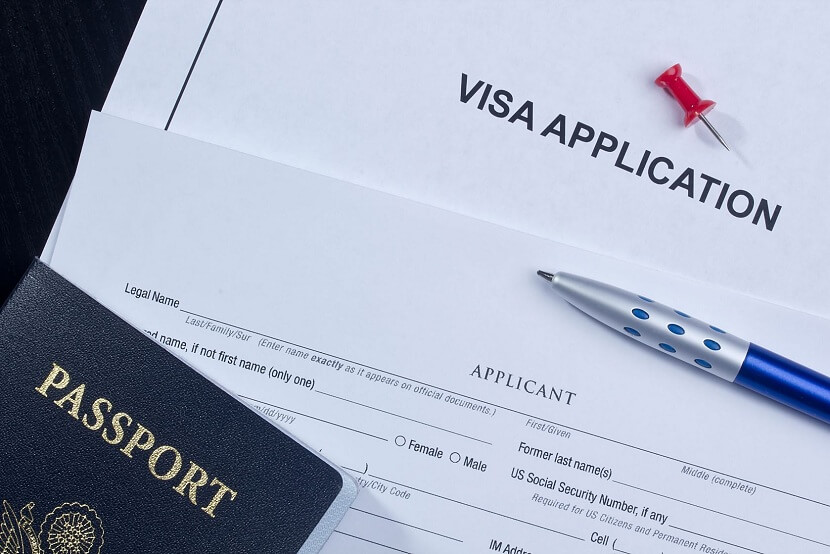
- Visa application form: A completed visa application form with the applicant’s photo attached. This form can be downloaded from the Vietnamese embassy website or provided by the embassy or consulate.
- Passport: A valid passport with at least 6 months of validity from the intended date of entry into Vietnam. The original passport is required for a sticker visa, or a copy of the passport ID page for a loose-leaf visa.
- Approval letter (for certain types of visas): An approval letter issued by the Vietnamese Immigration Department, especially if applying for a visa on arrival or through a third-party processing service.
- Visa fee: Payment of the visa fee, which varies depending on the type of visa and entry method.
- Other documents: Depending on the visa type, additional documents may be required, such as proof of accommodation, return flight booking, or financial proof for the stay.
Applying for a Vietnam visa
When planning your trip to Vietnam, you’ll need to choose the right option to obtain your Vietnam visa. Depending on your nationality and travel plans, there are several ways to apply for a Vietnam visitor visa or Vietnam entry visa:
Applying online for an e-visa
You can apply for a Vietnam visa online through the official government website or through us, an authorized Vietnam visa agency. The process is entirely online, where you submit your application, upload necessary documents, and pay the fee.
An e-visa is a type of Vietnam entry visa that is usually processed within a few business days, and you can receive it via email. This option is available for citizens of many countries and allows entry at several international airports in Vietnam, making it an easy option for a Vietnam visa for foreigners..
Applying at the Vietnamese embassy
You can apply for a Vietnam visa in person or by mail at a Vietnamese embassy or consulate. You’ll need to provide documents such as your passport, a completed visa application form, passport photos, and sometimes an approval letter. The embassy will process your visa to Vietnam and affix a sticker to your passport. This process may take a few days, depending on your location.
Applying at the airport
Applying for a visa on arrival (VOA) at the airport is an option for travelers flying into Vietnam. You must apply online in advance to receive an approval letter, which you will present upon arrival. The actual Vietnam visa is stamped into your passport at the airport, allowing entry. This option is only available for air travelers and at certain airports.
Cost of a Vietnam visa
The cost of a Vietnam visa ranges from $25 for a single-entry visa to $50 USD for a multiple-entry visa (government fee), depending on the type of visa and its Vietnam visa validity. Knowing the Vietnam visa length helps in selecting the right visa option for your trip.
Single-entry visa
The cost for a single-entry visa to Vietnam typically starts at USD 25 for an e-visa, which is valid for 30 days. The price may vary depending on the type of visa and the service fees involved. For a visa issued by an embassy or consulate, additional fees may apply, usually in the same range.
Multiple-entry visa
The cost for a multiple-entry visa is generally USD 50 for an e-visa, allowing for multiple entries over a period of up to 90 days. Embassy or consular applications for multiple-entry visas can be slightly higher, depending on additional processing fees or service charges.
Processing time and validity
Visa requirements for Vietnam can vary based on nationality and the purpose of your visit. Familiarizing yourself with processing times ensures that you apply well in advance, avoiding any last-minute mistakes that could affect your travel plans.
Standard processing times
The processing time for a Vietnam visa depends on the type of visa and the application method:
- E-visa: The typical processing time is between 4 to 7 working days after submitting all required documents.
- Embassy visa: For those applying through a Vietnam embassy, the processing time is usually 5 working days, provided the application is complete.
- Visa on arrival: This type of visa generally takes 2-3 working days for approval processing after submission.
- Other visa types: Processing times for other types of visas, such as tourist or business visas, generally take up to 5 working days from the submission of the application.
For urgent applications, we have a faster processing service. Contact Urgent Vietnam Visa to get the information.
Visa validity periods
As mentioned above, Vietnam visas have varying validity periods based on type: Tourist visas (DL) for 1 or 3 months, Work visas (LD) for up to 2 years, Investor visas (DT) ranging from 12 months to 5 years, and Dependent visas (TT) from 1 month to 1 year. Always check the latest regulations or consult the Vietnamese embassy or consulate for the most accurate information.
FAQs
1. What does a Vietnam visa look like?
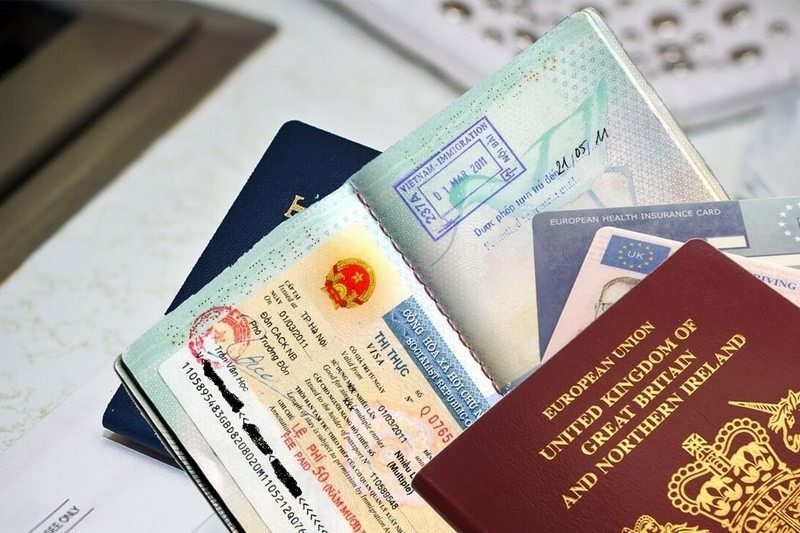
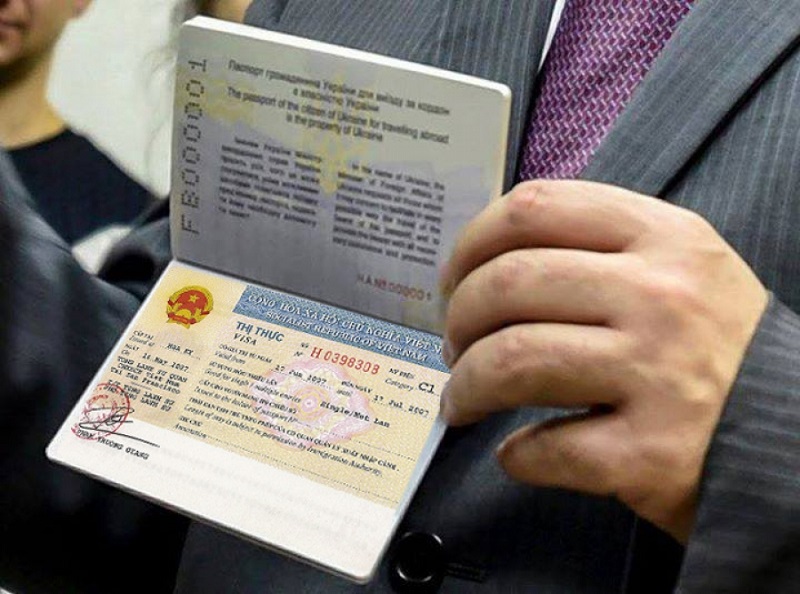
A Vietnam visa appears as a sticker visa or an e-visa. The sticker visa is a physical visa attached to a passport page, containing details like the visa type, validity dates, and a stamp. It also includes a passport photo and a unique visa number.
The e-visa, on the other hand, is a digital document that can be printed or shown on a mobile device. It includes personal information, visa details, and a QR code for scanning. Both types serve the same purpose, with the main difference being the application process.
2. What to do if the Vietnam visa payment fails?
If your Vietnam visa payment fails, check your card for sufficient funds and retry the payment. Clear your browser’s cache or use a different browser. Contact your bank for restrictions and try an alternative payment method. Check your email for notifications and, if needed, contact customer support for assistance or to inquire about a refund.
3. Why does the Vietnam visa ask for religion?
The Vietnam visa application asks for religion to reflect the country’s commitment to freedom of belief and religion. This field allows individuals to express their religious beliefs or indicate that they are non-religious. It is primarily a formal requirement, ensuring the government respects personal freedom in terms of religion, and it generally does not impact the visa approval process.
4. How long is a Vietnam visa valid for?
The validity of a Vietnam visa varies significantly depending on the specific type of visa issued, with different categories catering to various purposes such as tourism, business, work, and investment, each having its own distinct duration and entry restrictions. Normally, the Vietnam visa length can last from 30 days to 5 years.
5. Do I need to print my Vietnam visa?
Yes, you need to print your Vietnam e-visa before traveling. It is required for entry and exit at the airport. You will need to present a physical copy of the e-visa to immigration officials when you land in Vietnam. It’s recommended to print multiple copies to ensure that you have one ready when needed, especially for check-in, boarding, and at immigration checkpoints.
Final thoughts
Now that you know how to navigate the process of a Vietnam visa for foreigners, you’re one step closer to your exciting adventure in Vietnam! From exploring Hanoi’s old quarter to relaxing on the beaches of Phu Quoc, this beautiful country offers something for every traveler. So, check the eligibility requirements and start your application process now. Vietnam is waiting for you!